Movement Disorders Neurophysiology
Working Group Leaders

Robert Chen
University of Toronto, Canada
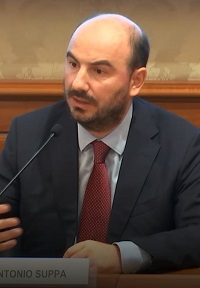
Antonio Suppa
Sapienza University of Rome, Italy
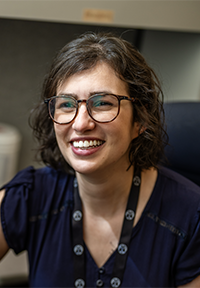
Talyta Grippe, Secretary
University of British Columbia, Canada
Movement disorders are common neurological conditions, particularly in aging populations, with prevalence increasing significantly after the age of 60. Disorders such as Parkinson’s disease, essential tremor, dystonia, myoclonus, chorea, tics and functional movement disorders affect millions worldwide. Despite growing awareness and advances in neuroimaging and genetics, many movement disorders remain difficult to diagnose accurately, especially in early or atypical stages. Therapeutic challenges also persist.
Clinical neurophysiology plays a critical role in movement disorders diagnostics, understanding underlying mechanisms and treatment. By using advanced electrophysiological techniques, clinicians can distinguish between different movement disorders, guide treatment decisions, including deep brain stimulation, and monitor responses over time. This field bridges clinical neurology and neuroscience, helping to uncover the underlying mechanisms of movement disorders and improve patient outcomes.
This SIG focuses on neurophysiological methodologies for the diagnosis and treatment of movement disorders, as well as promoting research to better understand their underlying mechanisms, which may serve as future therapeutic targets.
The neurophysiological methods used include multichannel surface EMG, accelerometery, somatosensory evoked potentials and EEG-EMG backaveraging. Although there techniques are established, they are only available in a few centres worldwide and there is a need train more neurophysiologists in this area.
The purposes of this SIG are:
- To disseminate information about neurophysiological methodologies for the diagnosis and treatment of movement disorders and to establish a network of interest across all IFCN Chapters and Societies.
- To advance existing neurophysiological techniques and support the development of new methods for studying movement disorders.
- To encourage research aimed at understanding the underlying mechanisms of movement disorders through neurophysiological approaches.
- To provide both technical and theoretical support to clinical neurophysiologists planning to use these methods. This will be achieved through courses, workshops, and individualized support when needed. Both early-career and senior clinical neurophysiologists will be encouraged to visit expert centers, and the SIG will assist in facilitating these connections.
SIG Members
|
Stephen Acheampong, EMEAC |
Robert Matic, EMEAC Adriana Matei, EMEAC Rawan Matar, EMEAC Bianca Moscu, EMEAC Francesca Morgante, EMEAC Leif-Andre Oksum, EMEAC Laura O'Connor, EMEAC Parmod Pal, AOC Pattamon Panyakaew, AOC Mayooran Perampalam, EMEAC Justyna Pigonska, EMEAC Giulia Carolina Primicerio, EMEAC Mykola Pukhalskyi, EMEAC Lorenzo Rocchi, EMEAC Fleur van Rootselaar, EMEAC Kadre Saare, EMEAC Giorgia Sciacca, EMEAC Laura Segura, LAC Antonio Suppa, EMEAC Mariana Talau, EMEAC Hatice Tankisi, EMEAC Isil Tatlidil, EMEAC Nino Tchikadze, EMEAC Kaz Ugawa, AOC Ozge Uygun, EMEAC Viviana Versace, EMEAC Felipe Vial, LAC Kristi Viikant, EMEAC Aparna Wagle Shukla, NAC Alessandro Zampogna, EMEAC |
If you are interested in becoming a member, please contact Talyta Cortez Grippe.